
Understanding Sugarcane Bud Cutters
Sugarcane bud cutters are specialized tools designed to facilitate the efficient propagation of sugarcane plants. These implement are essential for farmers aiming to maximize their yield by ensuring the healthy growth of new sugarcane shoots. The primary function of a bud cutter is to remove buds from the sugarcane stalks, which can then be replanted for enhanced crop production.
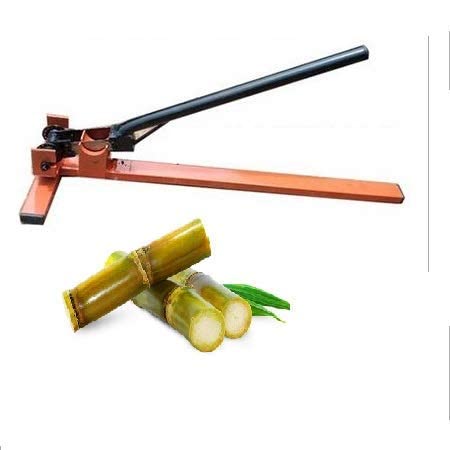
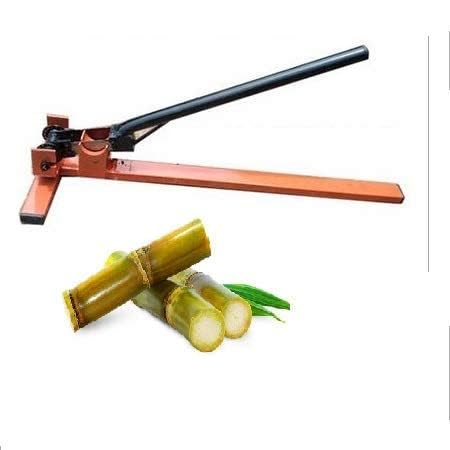
- Manual Sugarcane Bud cutter machine Hand operated. Use for Cutting Buds in sugar cane .
- Sugarcane bud cutter machine use for cut eye of sugar cane for plantation purpose .
- It can use manully with minimum efforts
There are various types of sugarcane bud cutters available in the market, each tailored to meet specific agricultural needs. Manual bud cutters, often favored by small-scale farmers, are handheld tools requiring physical effort to slice through the canes. In contrast, powered bud cutters are designed for larger operations, significantly reducing labor intensity and increasing cutting efficiency. Additionally, some models are equipped with ergonomic handles, ensuring comfort during prolonged use.
When selecting a sugarcane bud cutter, several essential features should be taken into consideration. The blade material is crucial; high-carbon steel blades are often preferred for their durability and sharpness. Adjustable cutting depths are also advantageous, as they allow the cutter to accommodate different sized buds and preferences of the farmer. Furthermore, a good bud cutter should have a lightweight design for ease of handling, especially during extensive cutting sessions.
It is important to recognize that the right bud cutter can significantly impact the health of the sugarcane crop. An appropriately chosen sugarcane bud cutter not only increases efficiency in planting but also promotes vigorous growth, thereby determining the overall success of the sugarcane cultivation process. Thus, understanding the various types and features of sugarcane bud cutters is vital for making an informed choice that aligns with the specific needs of sugarcane farming.
The Benefits of Using a Sugarcane Bud Cutter
Employing a sugarcane bud cutter presents numerous advantages to farmers aiming to optimize their agricultural practices. First and foremost, these specialized tools significantly enhance productivity. By enabling precise and efficient cutting of sugarcane buds, farmers can cultivate their crops more effectively, leading to a higher yield per acre. This increase in productivity can be attributed to the uniformity of cuts, which allows for better growth and establishment of new cane plants.
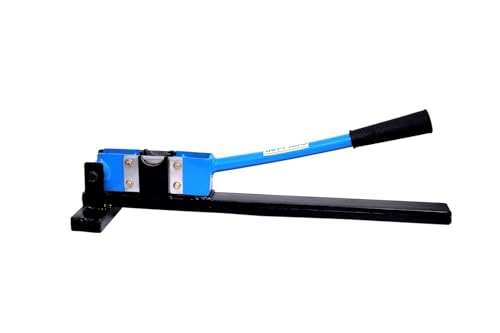
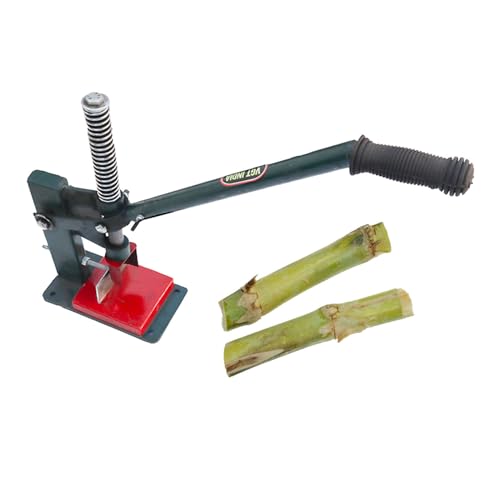
In addition to boosting productivity, using a sugarcane bud cutter contributes to the overall quality of the crop. The accuracy of these cutting tools helps prevent damage to the cane buds, ensuring that more healthy and vigorous plants emerge. Healthy plants yield higher-quality sugarcane, which can lead to increased profitability in a competitive market. Furthermore, better crop quality can lead to enhanced sugar extraction rates, further maximizing financial returns for farmers.
Another compelling benefit of sugarcane bud cutters is their role in reducing labor costs. Traditional methods of planting can be labor-intensive and require a significant amount of time and manpower. In contrast, sugarcane bud cutters expedite the planting process, freeing workers for other essential tasks. This increase in efficiency not only lowers labor costs but also allows farmers to allocate their resources towards other areas of their operations.
Moreover, from an environmental perspective, using efficient cutting tools like sugarcane bud cutters can minimize the carbon footprint associated with sugarcane cultivation. By enabling more efficient farming practices, these tools help reduce the need for chemical inputs and excessive water usage, promoting sustainable agricultural practices. Overall, the benefits of employing a sugarcane bud cutter extend beyond mere convenience, encompassing increased productivity, improved crop quality, decreased labor expenses, and enhanced environmental sustainability.
Comparing Costs: Bud Cutters vs. Traditional Trading and Nursery Development
The decision to invest in a sugarcane bud cutter should be informed by a thorough understanding of the costs involved when compared to traditional methods of sugarcane production, such as trading and nursery development. Initially, the expense of acquiring a bud cutter is generally higher than that of engaging in conventional trading practices. This upfront investment, however, lays the groundwork for significantly greater efficiency in the sugarcane planting process.
Traditional trading methods often require ongoing costs such as purchasing seedlings, maintaining nursery facilities, and employing labor for planting and care. These recurring expenses can accumulate over time, potentially leading to a higher total cost of ownership when compared to using a sugarcane bud cutter. Not only does a bud cutter streamline the propagation process, it also reduces the need for extensive nursery management, thereby enabling farmers to allocate resources more effectively.
Furthermore, while the maintenance expenses of a bud cutter—including repairs and periodic replacements—should be factored into the total cost assessment, these costs are generally lower than those of traditional methods which can be subject to market fluctuations and supply chain disruptions. In terms of potential financial returns, the use of bud cutters is associated with faster planting cycles and, thus, quicker financial turnover, leading to increased revenue generation in a shorter timeframe.
Taking into account both initial and ongoing costs, the cost-effectiveness of sugarcane bud cutters becomes evident. This modern method not only simplifies the sugarcane cultivation process but also enhances overall profitability, making it a strategic investment for agricultural stakeholders. Ultimately, farmers who choose to adopt bud cutters may find themselves at a significant financial advantage compared to those relying solely on traditional trading and nursery methods.
Tips for Making the Most Out of Your Sugarcane Bud Cutter Investment
Investing in a sugarcane bud cutter can significantly enhance the efficiency and productivity of your farming operations. To maximize the return on this investment, it is essential to implement a systematic approach that includes proper maintenance, understanding best practices for usage, and optimizing productivity.
First and foremost, establishing a regular maintenance schedule is critical. Regular checks for wear and tear on the blade and other components of the bud cutter can prevent unexpected breakdowns and prolong its lifespan. Keeping the cutting mechanism clean and inspecting it for rust or damage will ensure that the equipment operates smoothly. Furthermore, following the manufacturer’s guidelines regarding lubrication and parts replacement can help maintain performance and efficiency.
Optimal usage of the sugarcane bud cutter is also key to maximizing its benefits. Farmers should familiarize themselves with the specific cutting techniques recommended for the variety of sugarcane they are cultivating. Training staff to use the cutter effectively can reduce time spent on manual labor and enhance overall productivity. Adjusting the cutting height can also be beneficial; careful attention to this factor can lead to better yields and healthier plants.
Exploring technologies that complement your sugarcane bud cutter can further increase production value. For instance, implementing precision agriculture tools can help monitor soil health and moisture levels, ensuring that the sugarcane is well-fed and in optimal condition for cutting. Additionally, evaluating the timing of your cutting operations in relation to weather conditions may lead to improved effectiveness.
In summary, maximizing the benefits from a sugarcane bud cutter involves a multifaceted strategy. Prioritizing maintenance, adopting best practices, and utilizing complementary technologies can significantly enhance both efficiency and crop yield, ensuring a rewarding return on investment.